

Patna, News Desk: “Yatra Dharma, Tatra Jaya” (Where there is Dharma, there is Victory) — In the Indian Sanatan tradition, the Vedas, sacred mantras, and Vedic rituals have long been regarded as the foundation of spiritual well-being and human welfare. While society has made remarkable progress in science and technology, many people continue to face challenges such as mental stress, financial difficulties, family disputes, and concerns related to astrology and traditional beliefs.
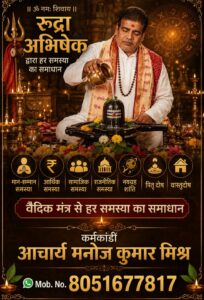
Speaking on this subject, Karmakandi Acharya Manoj Kumar Mishra says:
“For years, people have sought guidance through Vedic mantras and scriptural rituals. Drawing upon the ancient wisdom of the Vedas along with a thoughtful and contemporary approach, I guide devotees through Vedic ceremonies, righteous actions, and traditional rituals. In my view, Vedic practices remain among the most meaningful ways to strengthen one’s spiritual life and inner peace.”
Guidance for Various Spiritual and Religious Rituals
Acharya Manoj Kumar Mishra conducts a wide range of scripturally prescribed religious ceremonies and Vedic rituals, including:
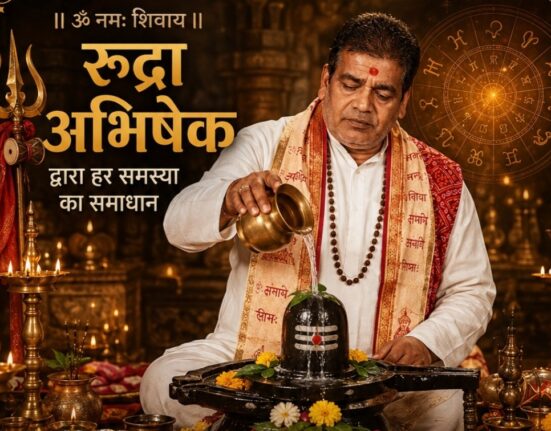
Rudrabhishek and Maha Mrityunjaya Mantra Chanting
Navagraha Shanti Puja
Pitru Dosha Nivaran (Ancestral Rituals)
Vastu Shanti Puja
Griha Pravesh (Housewarming) and Bhoomi Pujan (Groundbreaking Ceremony)
Marriage, Upanayana (Sacred Thread Ceremony), and other Vedic Sanskars
Graha Shanti and Special Religious Rituals
Yajnas, Hawans, and Other Traditional Vedic Ceremonies
According to Acharya Mishra, the purpose of these rituals is to provide devotees with spiritual satisfaction while preserving the rich traditions of Sanatan Dharma and inspiring peace and positivity in life.
The Importance of Vedic Mantras
Acharya Manoj Kumar Mishra explains that, according to the scriptures, the proper recitation of Vedic mantras, along with Yajnas and worship performed according to prescribed rituals, is believed to promote inner peace, self-confidence, and positive energy. The Vedas describe sacred mantras as divine sounds possessing profound spiritual significance. Many people across the world continue to study and appreciate the philosophical and spiritual heritage of the Vedas.
Special Significance of Rudrabhishek During the Holy Month of Shravan
According to Hindu scriptures, the holy month of Shravan (Sawan) is considered especially sacred for the worship of Lord Shiva. During this period, devotees perform Rudrabhishek, chant the Maha Mrityunjaya Mantra, and offer prayers to Lord Shiva with devotion, seeking spiritual growth and divine blessings.
Traditionally Believed Benefits of Rudrabhishek
According to Hindu religious beliefs, Rudrabhishek is traditionally associated with the following spiritual benefits:
Prayers for relief from the adverse effects traditionally associated with planetary influences, Kal Sarp Dosha, and Pitru Dosha.
Seeking blessings for health, strength, and well-being.
Praying for prosperity, career growth, and financial stability.
Promoting mental peace, emotional balance, and positive thinking.
Spiritual purification and devotion to Lord Shiva, with the aspiration for spiritual liberation (Moksha).
These benefits are matters of religious belief and spiritual tradition and are not scientifically established outcomes.
Contact
Karmakandi Acharya Manoj Kumar Mishra
Mobile: +91 8051677817
Address: Village Mahuli, Post & Police Station Athmalgola, District Patna, Bihar, India
॥ Har Har Mahadev ॥